

Introduction: True VE vs. Cost-Cutting
In the UK construction sector, "Value Engineering" (VE) is often misused as a polite synonym for cheap material substitution or de-scoping. However, in modern MEP (Mechanical, Electrical, and Plumbing) consultancy, true Value Engineering is a structured, mathematical discipline. It focuses on optimizing building services to deliver equal or superior environmental performance and operational longevity for a significantly reduced capital outlay (CAPEX) or operational cost (OPEX).
1. The Over-Specification Trap
A primary driver of inflated MEP capital expenditure is compounding conservatism, commonly known as the "Safety Margin Trap." In traditional design workflows, safety buffers are routinely layered onto one another:
- Consulting Engineers add a 10% thermal safety margin to heating and cooling calculations.
- Specialist Contractors add an extra 10% capacity buffer to cover perceived risk during installation.
- Equipment Manufacturers build a final 5–10% tolerance margin into their standard modular plant sizing.
The cumulative result is a plant room equipped with heavily oversized heat pumps, chillers, and distribution pumps that rarely operate near their peak efficiency band.
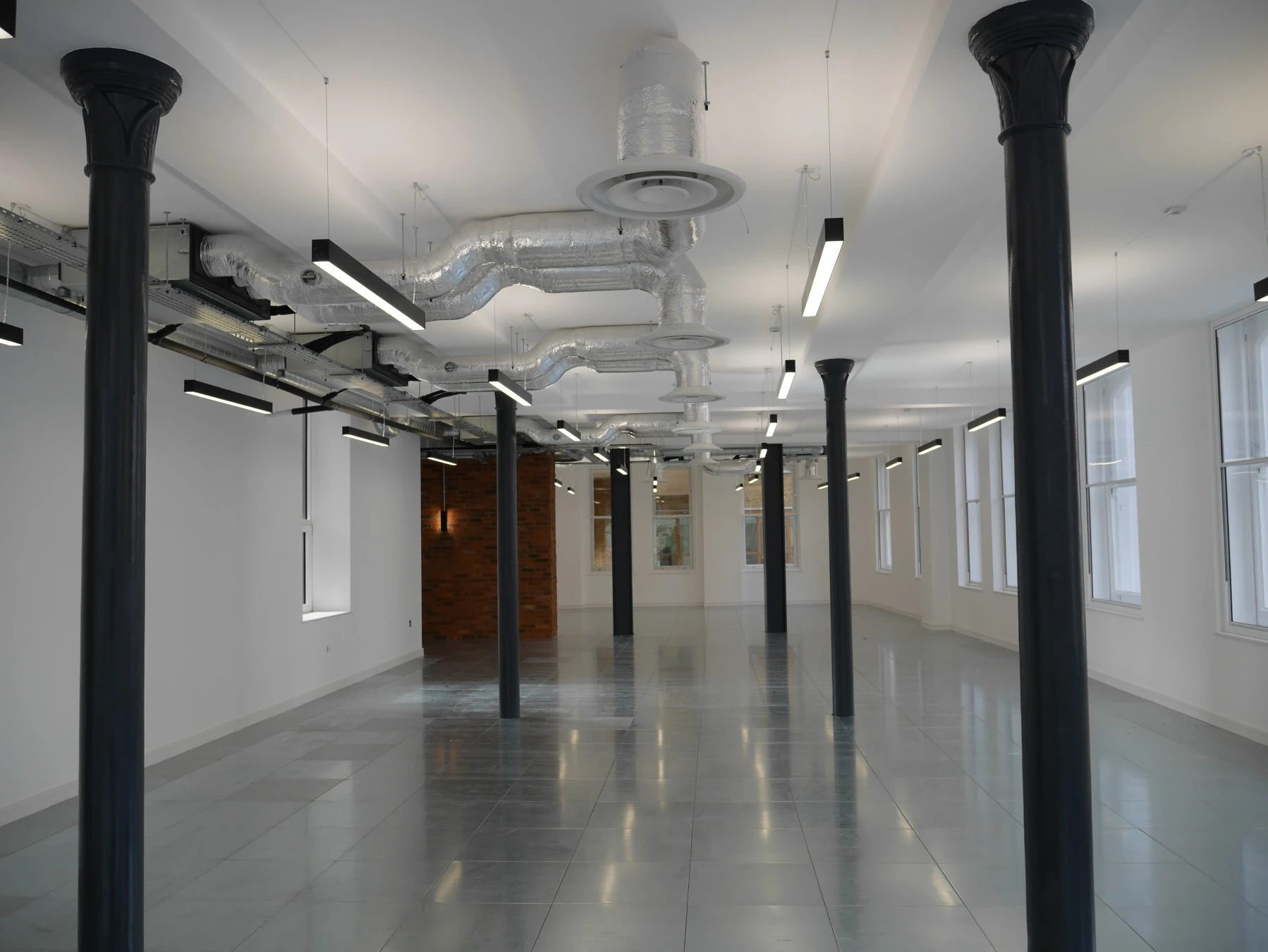
Value engineering in MEP reduces construction costs by eliminating "over-specification." By using dynamic thermal modeling (such as IES VE or DesignBuilder), engineers can accurately "right-size" mechanical plant equipment. This prevents developers from buying oversized boilers or chillers that cost significantly more to purchase, install, and run.
2. Strategic VE Opportunities in Modern Building Services
Achieving meaningful financial savings without sacrificing building quality requires targeted, high-impact design modifications across key disciplines.
Variable Speed Drives (VSDs) & Hydronic Balancing
Traditional constant-speed pumps and fans continuously run at maximum throughput regardless of actual tenant demand, wasting significant energy. Integrating Variable Speed Drives (VSDs) allows HVAC equipment to dynamically adjust output to mirror real-time occupant load. This slashes electrical stress, extends equipment lifespans, and reduces annual building energy bills by up to 25%.
Lighting Control Zoning (DALI Systems)
Over-engineering electrical containment and cabling runs adds substantial material costs. Implementing DALI (Digital Addressable Lighting Interface) protocols replaces complex individual wiring circuits with digital bus routing. This smart zoning architecture simplifies cable containment networks, cuts copper usage, and reduces electrical installation labor by up to 15%.
3. Procurement and Material Selection
A core element of MEP Value Engineering involves auditing material specifications against a target 25-year design life. Modern material innovations allow contractors to accelerate installation timelines without introducing long-term leakage or performance risks.
| Traditional Specification | Value Engineered Alternative | CAPEX Impact | Operational & Maintenance Benefit |
|---|---|---|---|
| Soldered / Brazed Copper Pipework | Stainless Steel or Multi-Layer Press-Fit Systems | 15–20% Reduction in Labor Costs | Eliminates hot-works permits on site and speeds up jointing validation. |
| Heavy Gauge Welded Steel Ductwork | Pre-insulated Modular Panel Ducting | 10–15% Reduction in Material Weight | Lowers structural support loads and speeds up overhead installation. |
| Constant Air Volume (CAV) Air Handling | Variable Air Volume (VAV) with Heat Recovery | 5–8% Initial Plant Premium | Delivers 30%+ reduction in annual running costs and satisfies Part L limits. |
4. The Role of Off-Site Prefabrication
Transitioning from traditional site-assembled pipework to Modern Methods of Construction (MMC) is one of the most effective VE strategies available today.
By designing MEP services into standardized modular skids, vertical risers, and multi-service ceiling racks, contractors achieve dramatic savings:
- Labor Efficiency: Site assembly times are reduced by up to 30%, protecting projects against on-site trade delays.
- Quality Control: Systems built in ISO-accredited factory settings undergo rigorous pressure testing prior to shipment, preventing expensive post-handover remedial works.
- Site Safety: Minimizes working-at-height hours and eliminates hot-works hazards across congested floor plates.
5. Timeline Sensitivity: Implementing VE at the Right RIBA Stage
The financial impact of Value Engineering follows a steep decay curve throughout the project lifecycle:
- RIBA Stage 2 (Concept Design): Maximum Opportunity. Primary plant locations, riser geometry, and strategy selection can be re-imagined with zero penalty.
- RIBA Stage 3 (Spatial Coordination): Moderate Opportunity. Pipework sizing, equipment schedules, and material switches can still yield significant CAPEX reductions.
- RIBA Stage 4 (Technical Design) & Beyond: Low/Negative Opportunity. Most costs are already "baked in." Changes at this point incur design variation fees, delay spatial sign-offs, and risk costly site rework.
6. Frequently Asked Questions
What is the difference between Value Engineering and cost-cutting in MEP?
Cost-cutting simply removes features or substitutes inferior materials to lower initial CAPEX, often increasing long-term maintenance and energy costs. True Value Engineering (VE) optimizes system design to achieve identical or superior operational performance, reliability, and lifecycle savings at a lower capital cost.
At what RIBA stage should Value Engineering be implemented?
Value Engineering delivers maximum financial benefit during RIBA Stage 2 (Concept Design). By RIBA Stage 4 (Technical Design), system pathways and plant footprints are largely locked in, meaning any late changes incur expensive redesign fees and site variations.
How does prefabrication contribute to MEP Value Engineering?
Prefabricating MEP services into modular skids or multi-service racks reduces site installation time by up to 30%, lowers high-cost on-site labor overheads, ensures strict factory quality control, and drastically reduces costly post-installation remedial works.
Conclusion
Successful MEP Value Engineering is an investment in design intelligence rather than a sacrifice in quality. By eliminating plant over-specification, embracing off-site prefabrication, and executing VE reviews early at RIBA Stage 2, UK developers and architects can achieve substantial capital savings while delivering sustainable, high-performance assets.